
Effective Passive Filter Compensation Device for Improved Power Quality
By:Admin
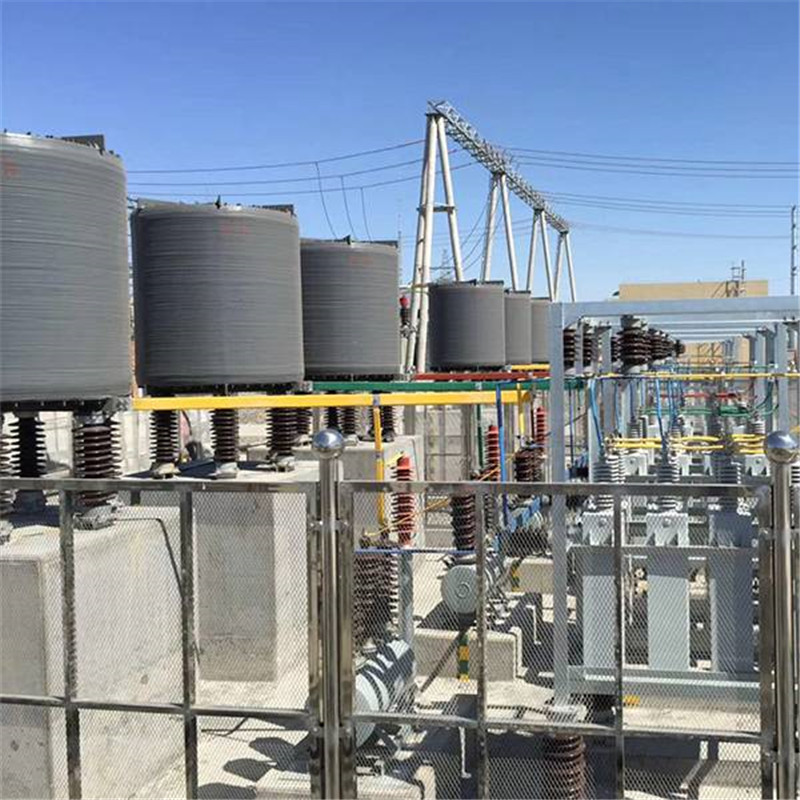
In an era where efficient energy management and power quality are pivotal for industrial growth, the introduction of advanced passive filter compensation devices marks a significant milestone. This innovation addresses longstanding issues such as harmonics, reactive power, and voltage instability, providing industries with a reliable solution to enhance operational efficiency and reduce energy costs.
**Understanding Passive Filter Compensation Devices**
Passive filter compensation devices play a crucial role in electrical power systems by mitigating harmonics and improving power factor. Harmonics—distortions in the electrical waveform caused by non-linear loads—can lead to equipment overheating, increased losses, and premature failure of electrical components. By employing passive filters composed of inductors, capacitors, and resistors, these devices effectively eliminate unwanted harmonic currents and stabilize voltage levels.
The newly introduced passive filter compensation device integrates advanced circuit design and high-quality components, ensuring superior performance and durability. Designed to handle varying load conditions, the device offers flexibility for diverse industrial applications ranging from manufacturing plants to commercial complexes.
**Technical Features and Benefits**
This passive filter compensation solution boasts several technical advantages:
1. **Enhanced Harmonic Mitigation:** By targeting multiple harmonic frequencies, the device significantly reduces total harmonic distortion (THD), safeguarding equipment and improving overall reliability.
2. **Improved Power Factor:** Correction of reactive power leads to a higher power factor, decreasing demand charges and enhancing energy efficiency.
3. **Scalable Design:** Modular construction allows for easy scalability, accommodating different power system sizes and complexities.
4. **Robust Construction:** High-grade materials and robust engineering ensure longevity and minimal maintenance requirements, even in harsh industrial environments.
5. **Cost-Effectiveness:** Passive filters are typically more economical than active counterparts, providing an affordable solution without compromising performance.
**Industry Applications and Impact**
Industries with heavy electrical equipment such as motors, variable frequency drives (VFDs), and transformers stand to benefit remarkably from this technology. These devices commonly produce harmonic distortions that can disrupt sensitive electronics and reduce system efficiency. Implementation of the passive filter compensation device not only minimizes such disruptions but also extends equipment lifespan and optimizes energy consumption.
Moreover, with growing regulatory emphasis on power quality standards and sustainability, industries are increasingly seeking solutions that comply with stringent requirements. The new passive filter system enables companies to meet these standards while achieving operational cost savings.
**About the Company**
This pioneering device is backed by a company renowned for its expertise in power quality solutions. Established with a commitment to innovation and customer-centric service, the company specializes in designing and manufacturing electrical products that address contemporary energy challenges. Their portfolio includes a wide range of power management and compensation systems tailored to enhance efficiency and reliability for industrial clients globally.
The company’s research and development team continually invests in cutting-edge technologies to improve product performance and address emerging market needs. Through close collaboration with industry partners, they ensure their solutions remain aligned with practical operational requirements and regulatory frameworks.
**Commitment to Sustainability and Energy Efficiency**
In line with global trends toward sustainability, the passive filter compensation device contributes to reducing unnecessary energy waste. By optimizing power factor and removing harmonics, it ensures that electrical power is utilized more effectively, lowering carbon footprints and supporting green energy initiatives.
This aligns with the company’s broader vision to enable industries to achieve high productivity without compromising environmental responsibility. Their commitment extends beyond product development to offering comprehensive technical support, training, and maintenance services that empower customers to maximize the benefits of their investments.
**Future Outlook**
As digitalization and automation transform industrial landscapes, the demand for sophisticated power quality solutions is expected to rise. The integration of passive filter compensation devices with smart monitoring systems and IoT technologies promises even greater control and insight into energy usage patterns.
The company is actively exploring these advancements, aiming to provide integrated solutions that not only correct power quality issues but also facilitate predictive maintenance and real-time system optimization.
**Conclusion**
The introduction of the innovative passive filter compensation device marks a significant advancement in power quality management, offering industries a dependable and cost-effective solution to longstanding energy challenges. Supported by a company with strong technical expertise and a commitment to sustainable development, this technology is poised to play a vital role in enhancing industrial productivity and energy efficiency worldwide.
Industries seeking to improve power reliability, reduce operational costs, and meet evolving regulatory standards will find this passive filter compensation device to be an indispensable asset in their energy management strategies.